

Your Peace Is a Practice—Not a Destination
What Peace Feels Like (And What It Doesn’t)

Peace isn’t the absence of noise, stress, or conflict—it’s the presence of balance within you. Remember that peace is a practice; you may feel peace when you take a slow breath and notice your shoulders drop. You may feel it in the quiet of a morning, or even in the middle of a busy day when your mind suddenly settles.
Peace does not mean you never feel angry, sad, or stressed. Those emotions are part of life. Peace means you don’t get swept away by them. It’s the steady place you return to even when the waves get high.
Why You Keep Losing It—and How to Find It Faster
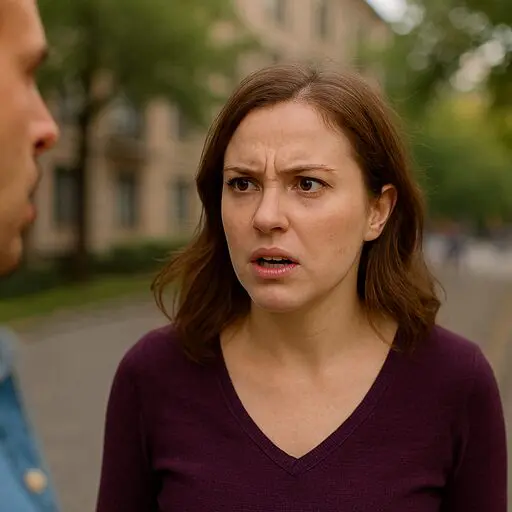
It’s normal to lose your sense of peace. Maybe you’re triggered by someone’s words. Maybe life throws a challenge you didn’t expect. Suddenly, you’re spiraling, and peace feels out of reach. That doesn’t mean it’s gone—it means you need to reconnect.
The trick is not to beat your Self up when you lose peace, but to notice it sooner. Instead of judging your reaction, pause and ask: “What do I need right now to return to my center?” Sometimes it’s a walk. Sometimes it’s journaling. Sometimes it’s a single, slow breath. Peace is always waiting for you to come back.
Red Flags vs. Old Habits (What You’re Really Reacting To)

Not every loss of peace means something is wrong. Sometimes, you’re reacting to a genuine red flag—a situation, person, or environment that isn’t healthy for you. Other times, you’re simply reacting from habit, falling into an old pattern of people-pleasing, overthinking, or catastrophizing.
The key is learning to tell the difference. A red flag usually feels heavy, constricting, or unsafe. An old habit often feels familiar, like a well-worn path, even when it doesn’t serve you anymore. By pausing to check in, you can ask: “Is this a true warning—or just my old pattern showing up again?”
Practices That Bring You Back to Center
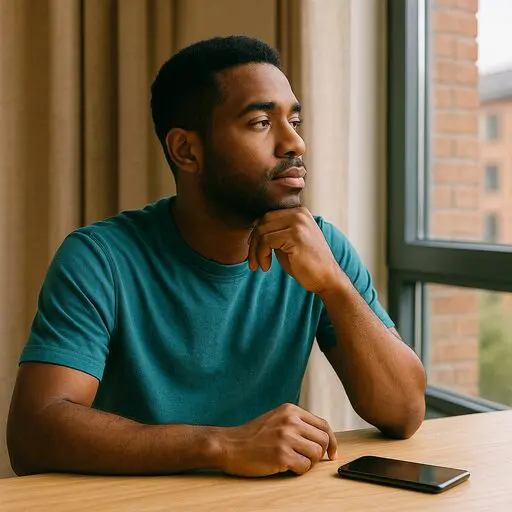
Peace takes practice. The more you build small habits that bring you back, the easier it gets to return when life knocks you off balance. Here are a few practices that help:
- Start your morning with one minute of stillness before looking at your phone.
- Notice tension in your body and consciously release it with a slow breath.
- Write down one thing each evening that brought you calm or gratitude.
These aren’t grand gestures—they’re gentle, repeatable practices. They remind your nervous system that calm is possible and accessible.
You Don’t Have to Fix Everything to Feel Peace
A common trap is believing peace will only come when everything is fixed. The truth is, life may never be completely tidy. There will always be things undone, unanswered, unresolved. If you wait for perfection, you’ll wait forever.
Peace is available in the middle of unfinished business. It’s available while bills are still due, while relationships are still complicated, while healing is still in progress. The practice of peace is choosing to rest in the moment, even while the larger story is still unfolding.
Making Peace a Daily Habit (Before the Holidays Hit)
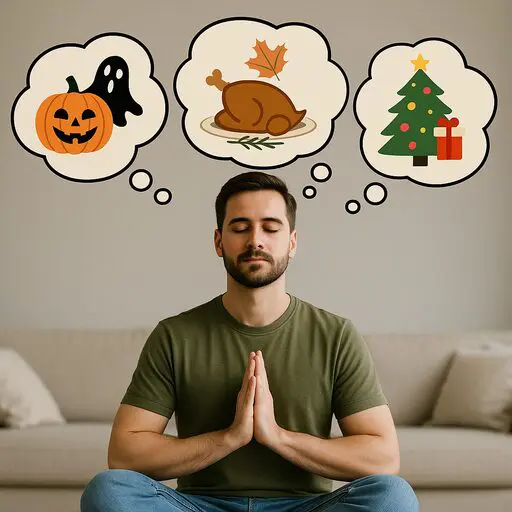
This is why practicing peace matters now. The holiday season can bring pressure, expectations, and emotional storms. If you wait until you’re in the middle of it to start protecting your peace, it’s going to feel much harder.
Instead, treat peace like exercise—you build the muscle before you need the strength. When you practice peace daily, you’re not caught off guard when chaos shows up. You already know the way back to your center.
Gentle Reminder
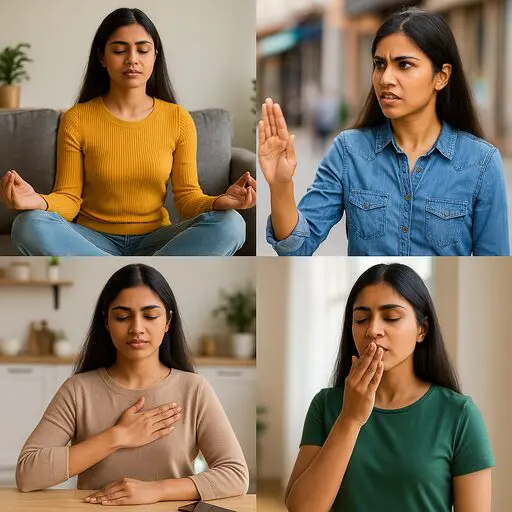
Peace isn’t a final destination you arrive at once and for all. It’s a practice, a return, a choice you make over and over again. You don’t need to wait for everything to be perfect before you allow peace in. Start small. Keep practicing. Let peace meet you where you are.